Citizenship education in schools serves as a cornerstone for nurturing informed and responsible citizens. Addressing the challenge of disinformation within this framework requires a multi-faceted approach. Firstly, curricula should incorporate lessons on media literacy and critical thinking, teaching students how to evaluate sources and identify misinformation. Secondly, schools can facilitate discussions on the ethical implications of sharing unverified information and the importance of responsible online behavior. Additionally, partnerships with media organizations and fact-checking initiatives can provide students with practical tools for navigating the digital landscape. By empowering students to become discerning consumers and creators of information, schools play a vital role in countering the spread of disinformation and promoting a more informed society.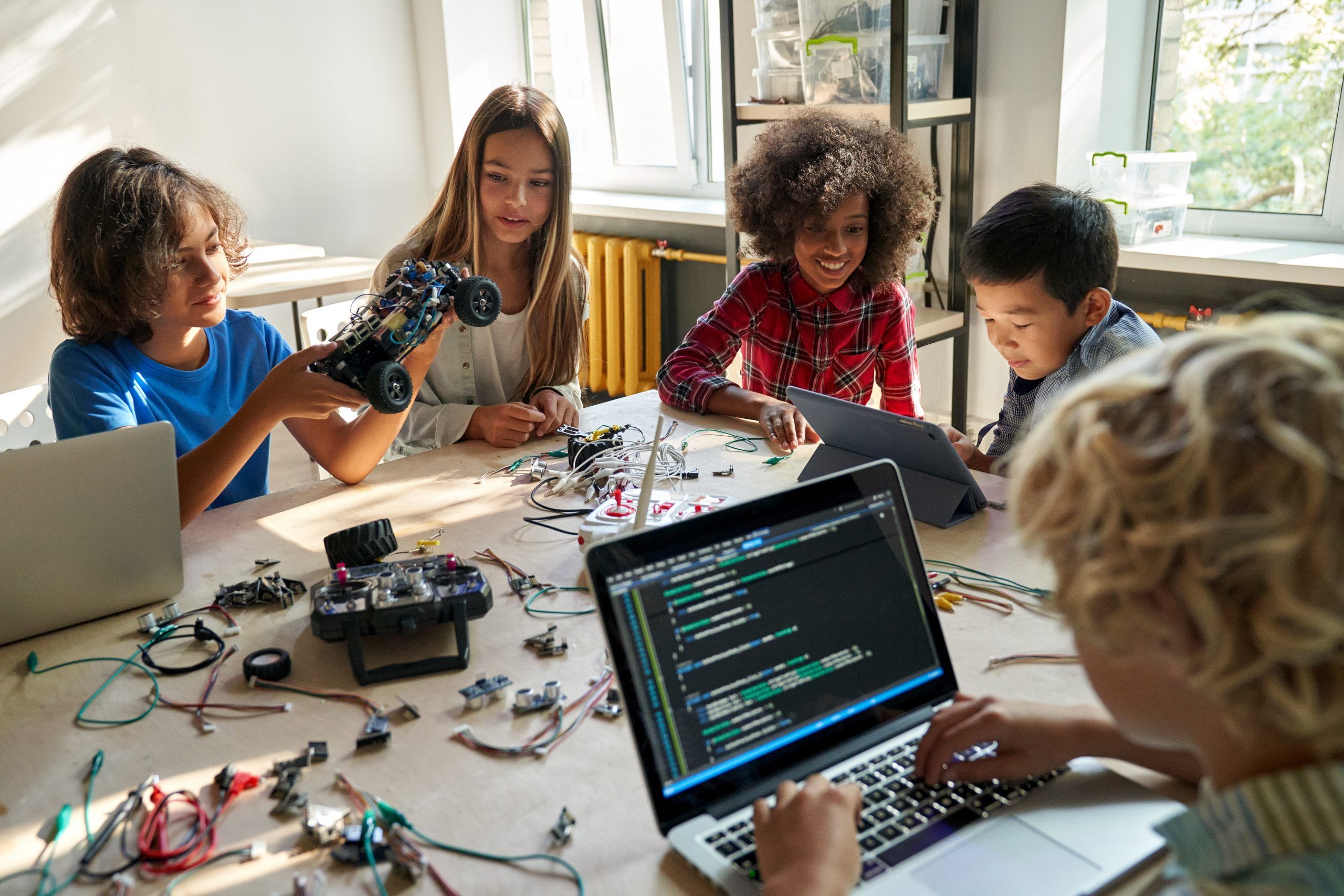
Best posts made by OUSSAfd6aa665af
-
RE: Citizenship education and tackling disinformation in schoolsposted in Classroom management
-
RE: Empowering Education: Navigating Personalized Learning Technologies for Equity and Excellenceposted in Teaching in the 21st Century Teacher competition 2.0
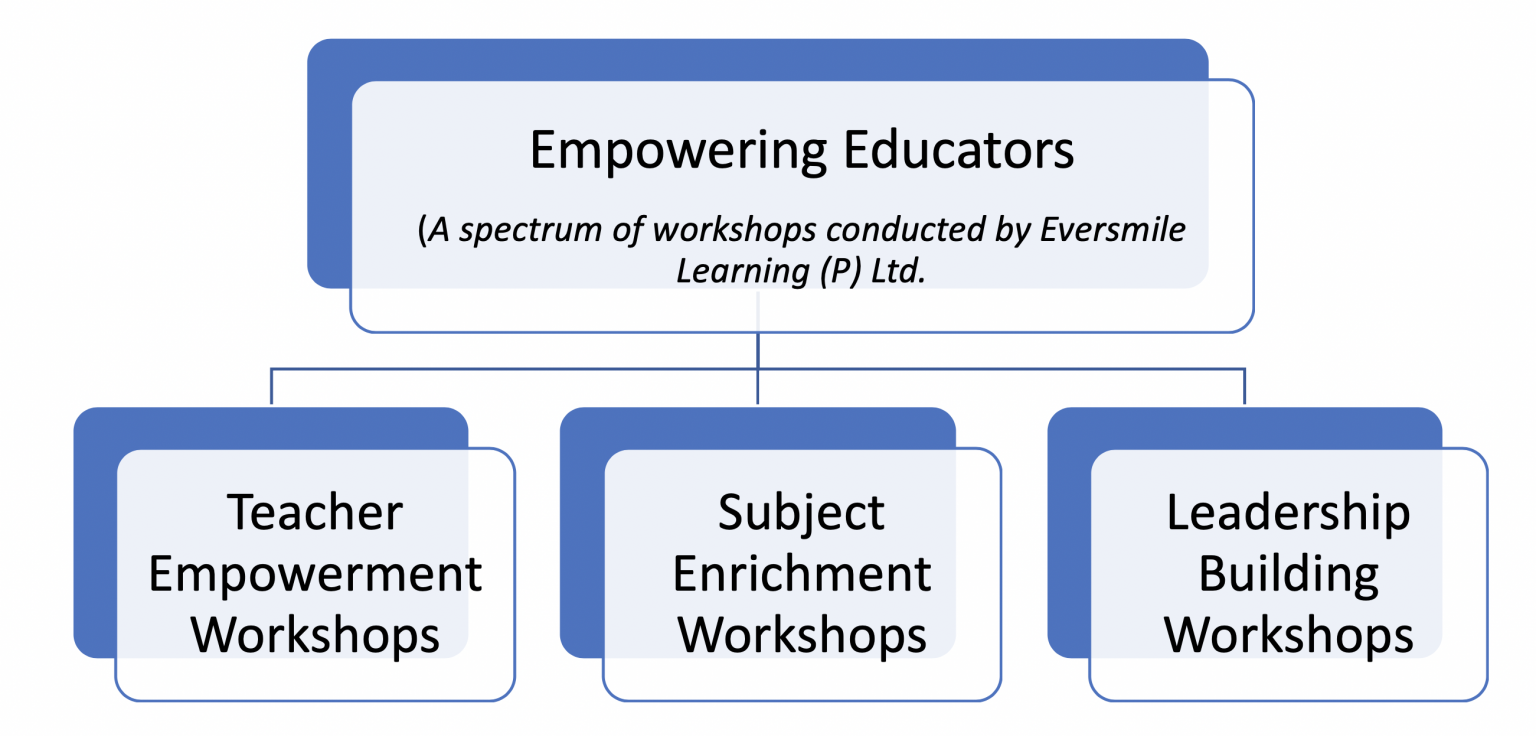
- Technological Proficiency: Many educators may lack the necessary skills and knowledge to effectively utilize personalized learning technologies in their teaching practices.
- Pedagogical Adaptation: Integrating new technologies requires educators to adapt their instructional strategies and methodologies to maximize their effectiveness.
- Continuous Professional Development: Ongoing training and support are essential to ensure that teachers remain up-to-date with emerging technologies and best practices in personalized learning.
-
RE: الذكاء الاصطناعي: بوابة التعليم نحو المستقبلposted in Discussions in Arabic
@Bousl2336873cb4 إن دخول الذكاء الاصطناعي إلى المجال التعليمي أصبح حقيقة لا يمكن تجاهلها. فهو يدعم المعلم في مهامه اليومية، ويساعد الطلاب على التعلم بطريقة متناغمة مع سرعتهم وقدراتهم. كما يفتح الباب أمام تجارب تعليمية لا محدودة تجمع بين الإبداع والتكنولوجيا. ومع ذلك، فإن نجاح هذه الشراكة يتطلب وضع استراتيجيات واضحة، ومراعاة الجوانب الأخلاقية، وتمكين المعلمين من قيادة هذا التحول التربوي. فالمستقبل ملك للأنظمة التي تتبنى الذكاء الاصطناعي بوعي وحكمة.
-
RE: How to become the winnerposted in Teaching in the 21st Century Teacher competition 2.0
To execute a successful educational project on sustainable development with your pupils, engage them actively in hands-on activities, discussions, and real-world examples. Incorporate interdisciplinary approaches, integrating subjects like science, geography, and social studies. Encourage critical thinking and problem-solving by exploring local environmental issues and brainstorming solutions collaboratively. Utilize multimedia resources, guest speakers, and field trips to deepen understanding and foster a sense of responsibility towards sustainable practices. Finally, empower students to take action by initiating eco-friendly projects within their school or community.
what do you think of my idea? -
RE: The Future of Open Educational Resourcesposted in Inclusive teaching
@Bousl2336873cb4
Global Collaboration and Knowledge Exchange
OER fosters cross-cultural learning by enabling educators and students worldwide to contribute, refine, and share materials. By supporting multilingual content and localized adaptations, OER ensures diverse perspectives are represented, making education more inclusive and globally relevant. -
RE: One Small Step for you,One Big step for Sustainability.There is always Something to improve !posted in Teaching green
other idea:
 Water Conservation: Promote water-saving techniques such as fixing leaks, installing low-flow faucets and toilets, and using drought-resistant landscaping methods.
 -
RE: Empowering Education: Navigating Personalized Learning Technologies for Equity and Excellenceposted in Teaching in the 21st Century Teacher competition 2.0
"Empowering Education: Navigating Personalized Learning Technologies for Equity and Excellence" is a pioneering journey through the intersection of education, technology, and equity. This insightful work delves into the transformative potential of personalized learning technologies, highlighting their capacity to tailor education to individual needs and bridge longstanding gaps in access and achievement. With a focus on equity, it champions inclusive approaches that empower learners of all backgrounds to thrive. Through its exploration of innovative strategies and real-world examples, this book serves as a guiding beacon for educators, policymakers, and technologists alike, navigating the complex landscape of education with a steadfast commitment to fostering excellence and equality for all.
-
RE: The Role of Technology in Bridging the Learning Gap for Marginalized Communitiesposted in Inclusive teaching
@Bousl2336873cb4
 Smart, Inclusive Learning for All: Access to quality education is being transformed by low-cost digital solutions and adaptive learning powered by AI. These innovations tailor content, making education more efficient and student-focused. With offline access, solar energy, and diverse language options, technology dissolves traditional barriers and invites all learners into the fold.
 -
RE: Problem of water in the worldposted in Teaching green
@Bousl2336873cb4 Thank you Mr Chokri for your active participation in this E-Teach forum :Relevant and inclusive topic
-
RE: Empowering Education: Navigating Personalized Learning Technologies for Equity and Excellenceposted in Teaching in the 21st Century Teacher competition 2.0
Empowering education is about equipping students with the knowledge, skills, and mindset to take control of their own learning journey and become active participants in their education. Rather than simply imparting information, empowering education encourages critical thinking, problem-solving, and creativity. For example, a teacher might empower students by giving them a say in choosing topics for research projects, allowing them to explore areas of personal interest. This not only fosters a sense of ownership over their learning but also encourages curiosity and self-motivation. Empowering education shifts the focus from rote memorization to meaningful understanding, preparing students to navigate the complexities of the modern world with confidence and adaptability.
Latest posts made by OUSSAfd6aa665af
-
RE: الذكاء الاصطناعي: بوابة التعليم نحو المستقبلposted in Discussions in Arabic
@Bousl2336873cb4 إن دخول الذكاء الاصطناعي إلى المجال التعليمي أصبح حقيقة لا يمكن تجاهلها. فهو يدعم المعلم في مهامه اليومية، ويساعد الطلاب على التعلم بطريقة متناغمة مع سرعتهم وقدراتهم. كما يفتح الباب أمام تجارب تعليمية لا محدودة تجمع بين الإبداع والتكنولوجيا. ومع ذلك، فإن نجاح هذه الشراكة يتطلب وضع استراتيجيات واضحة، ومراعاة الجوانب الأخلاقية، وتمكين المعلمين من قيادة هذا التحول التربوي. فالمستقبل ملك للأنظمة التي تتبنى الذكاء الاصطناعي بوعي وحكمة.
-
RE: Should the Future of Education Be Fully Online?posted in Digital teaching tools
@Bousl2336873cb4 With technology reshaping every aspect of life, education is evolving just as rapidly. Virtual classrooms promise freedom, customization, and access for all. Still, challenges such as reduced social engagement, digital fatigue, and inequality remain. As we look ahead, we must ask whether a completely online model can truly meet students’ needs.
-
RE: Should the Future of Education Be Fully Online?posted in Digital teaching tools
@Bousl2336873cb4 Online schooling could widen the gap between those with access to reliable devices and internet, and those without. Equity in education demands more than digital platforms—it requires ensuring that every child has the tools to participate fully in the learning process.
-
RE: Rural and Urban Education: Addressing Disparities in Access and Qualityposted in Inclusive teaching
@Bousl2336873cb4
Emphasis on Systemic Challenges and Solutions The divide in education quality between rural and urban areas stems from systemic issues in resource allocation and teacher distribution. Rural communities often contend with obsolete facilities and limited digital access, while urban schools tackle different stressors like dense student populations and economic disparities. To close this educational gap, strategic interventions are essential—such as investing in digital infrastructure, standardizing teacher training, and empowering community-led programs. A commitment to inclusive learning can ensure that all students benefit from meaningful educational opportunities. -
RE: Rural and Urban Education: Addressing Disparities in Access and Qualityposted in Inclusive teaching
@Bousl2336873cb4
Focus on Equity and Innovation Educational inequality between rural and urban regions arises from discrepancies in resources, infrastructure, and staffing. Rural schools face persistent challenges like outdated learning tools and inadequate funding, while urban institutions struggle with overcrowded classrooms and socioeconomic pressures. Addressing these gaps demands innovative policies, such as implementing technology-driven solutions, enhancing teacher support across regions, and promoting local engagement. With a focus on equitable access and adaptive learning, both communities can thrive in a fairer educational landscape. -
RE: Rural and Urban Education: Addressing Disparities in Access and Qualityposted in Inclusive teaching
Educational gaps between rural and urban areas are rooted in disparities in infrastructure, funding, and teacher availability, resulting in unequal learning conditions. Rural schools often lack adequate resources and modern technology, while urban schools face issues like overcrowding and social inequality. To bridge these divides, targeted initiatives such as expanding digital access in rural communities, investing in teacher development, and encouraging locally driven solutions are essential. Embracing adaptive learning and educational technology can empower students from both settings, fostering a more equitable and inclusive system.
-
RE: Evaluating Forum Topics by Impact, Not Identityposted in Our forum community
@Bousl2336873cb4
Teacher communities grow when every participant—regardless of reputation—has an equal opportunity to be heard. Shifting focus from who speaks to what is said allows powerful, potentially transformative ideas from newer or less-visible educators to gain recognition. It's a vital step toward building inclusive, idea-driven collaboration. -
RE: Evaluating Forum Topics by Impact, Not Identityposted in Our forum community
@Bousl2336873cb4
Professional educator forums thrive when discussions center on the strength of ideas rather than the prominence of contributors. Elevating substance over identity ensures that innovative perspectives and impactful suggestions aren't overshadowed by popularity. Equity in dialogue empowers every voice to contribute meaningfully. -
RE: Evaluating Forum Topics by Impact, Not Identityposted in Our forum community
In professional teacher forums, fostering equity means ensuring that ideas are evaluated based on their educational impact rather than the identity or status of the contributor. When discussions prioritize content over reputation, diverse voices—especially those less recognized—have a greater chance to be heard and valued. This approach encourages richer dialogue, fuels innovation, and promotes a more inclusive professional community.
-
RE: The Role of Technology in Bridging the Learning Gap for Marginalized Communitiesposted in Inclusive teaching
@Bousl2336873cb4
 Tech-Powered Equity in Education: Modern tools are dismantling traditional barriers to learning. Free resources, adaptive AI, and creative infrastructure solutions like solar-powered devices help overcome geographical and financial challenges. This integration not only expands access but also fosters fairness and opportunity for all learners.