Geometry plays a crucial role in both biology and daily life, shaping natural patterns, molecular structures, and human movement. In biology, geometric principles are evident in biomimicry, where nature-inspired designs influence engineering and architecture, as well as in molecular geometry, which determines how biological molecules function. Symmetry is fundamental in anatomy, affecting ergonomics and medical applications. In daily life, geometry aids in spatial reasoning for sports, optimizing movement and balance, and urban planning, where tessellation and mapping enhance city layouts. Additionally, medical imaging relies on geometric transformations to create accurate diagnostic models. These interconnected applications highlight how geometry underpins both the natural world and human innovation.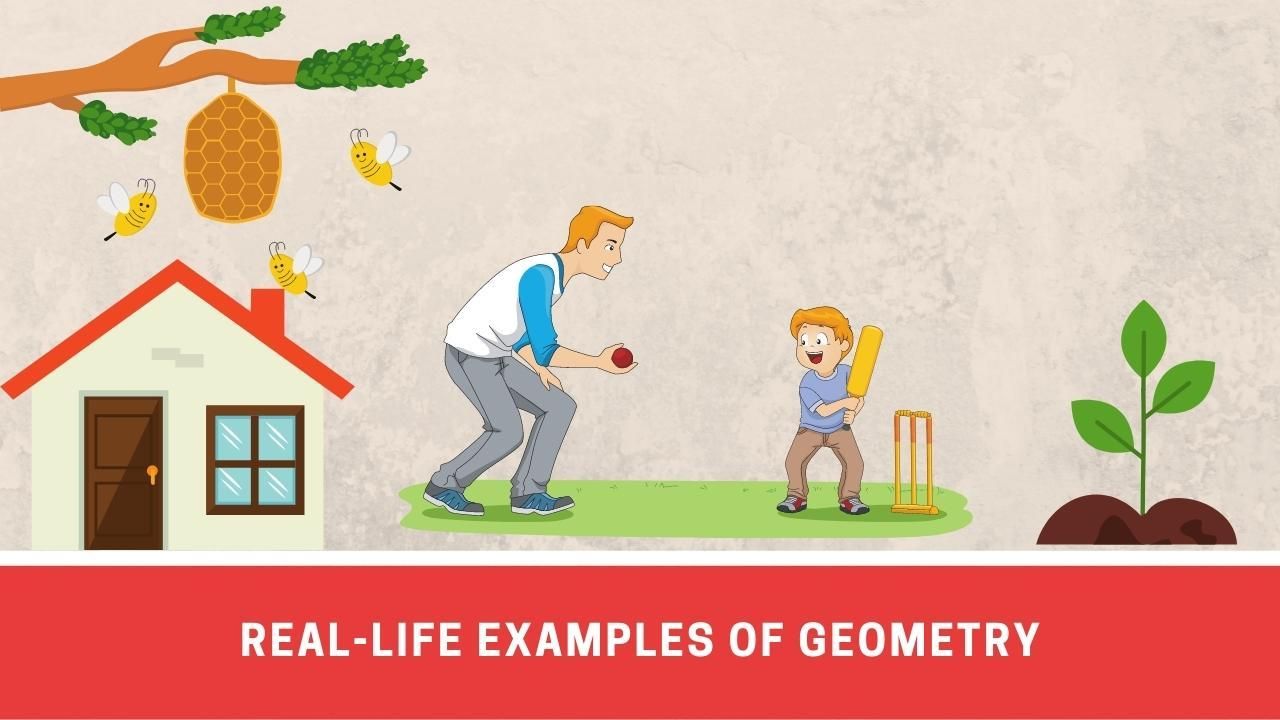
-
How to apply the principles of geometry in biology and in my daily life ?
"Empowering students through engaging education, fostering environmental consciousness, and advancing scientific literacy. Committed to shaping future leaders in Life and Earth Sciences."
-
@Bousl2336873cb4 Geometry is fundamental to both biology and everyday life, guiding natural forms and human innovation alike. In biology, it explains molecular structures, anatomical symmetry, and biomimicry, where nature’s designs inspire solutions in medicine, engineering, and architecture. In daily life, geometry supports spatial reasoning in movement and sports, efficient urban planning, and accurate medical imaging. Together, these examples show that geometry is not just an abstract concept, but a practical tool that connects natural systems to human progress.